Home–School Collaboration in Fostering Student Well-being: Parent Workshop on Managing Stress and Empowering Families
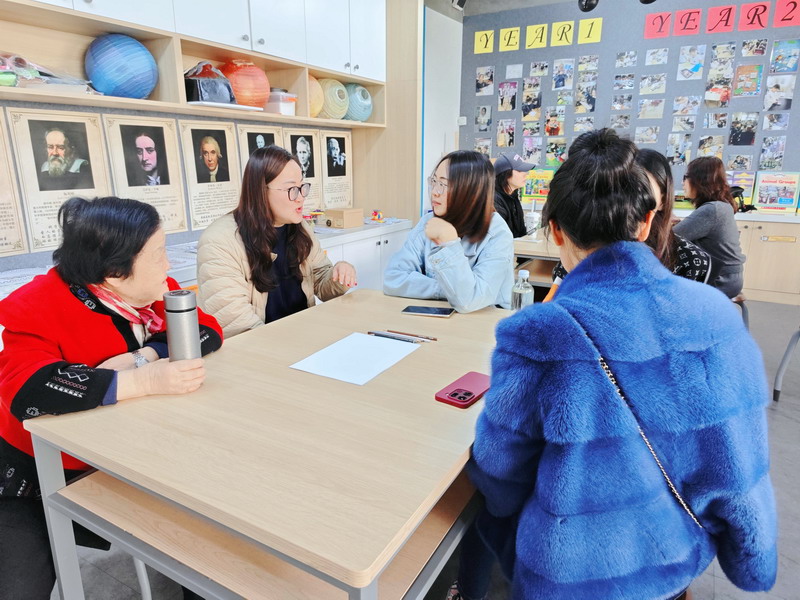
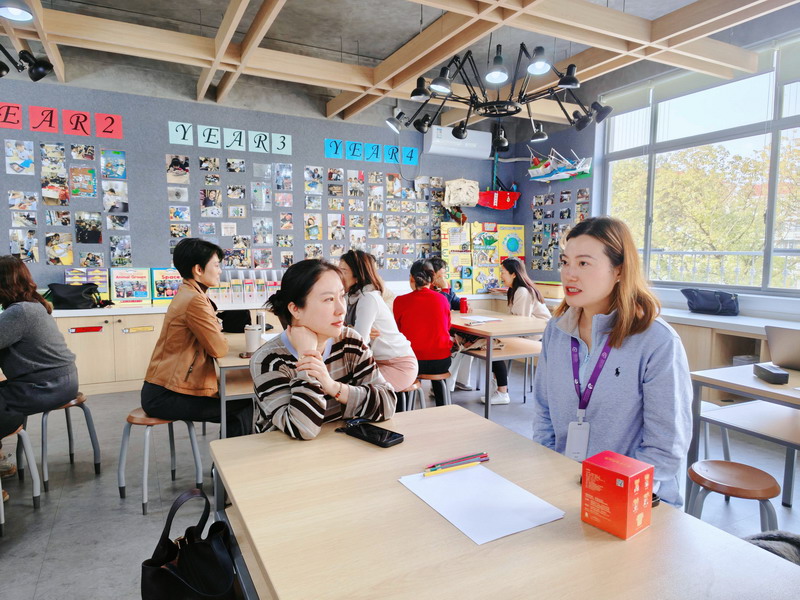
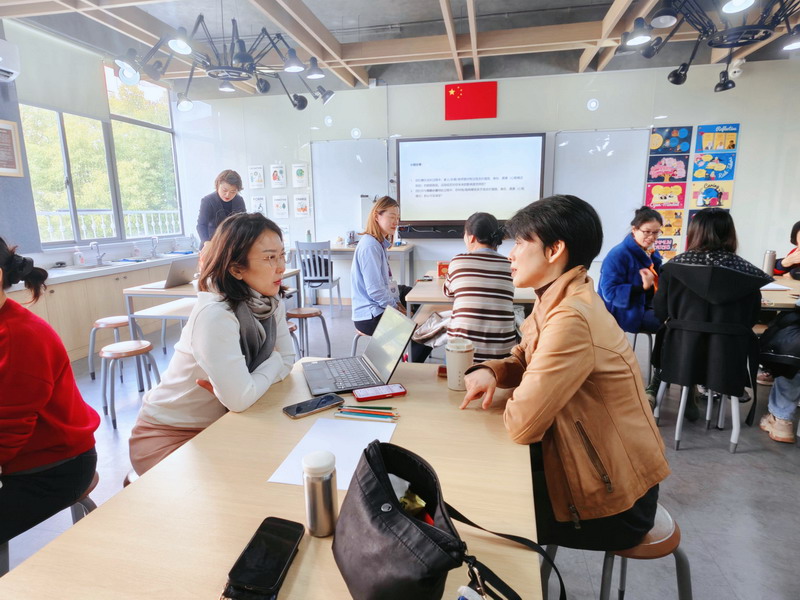
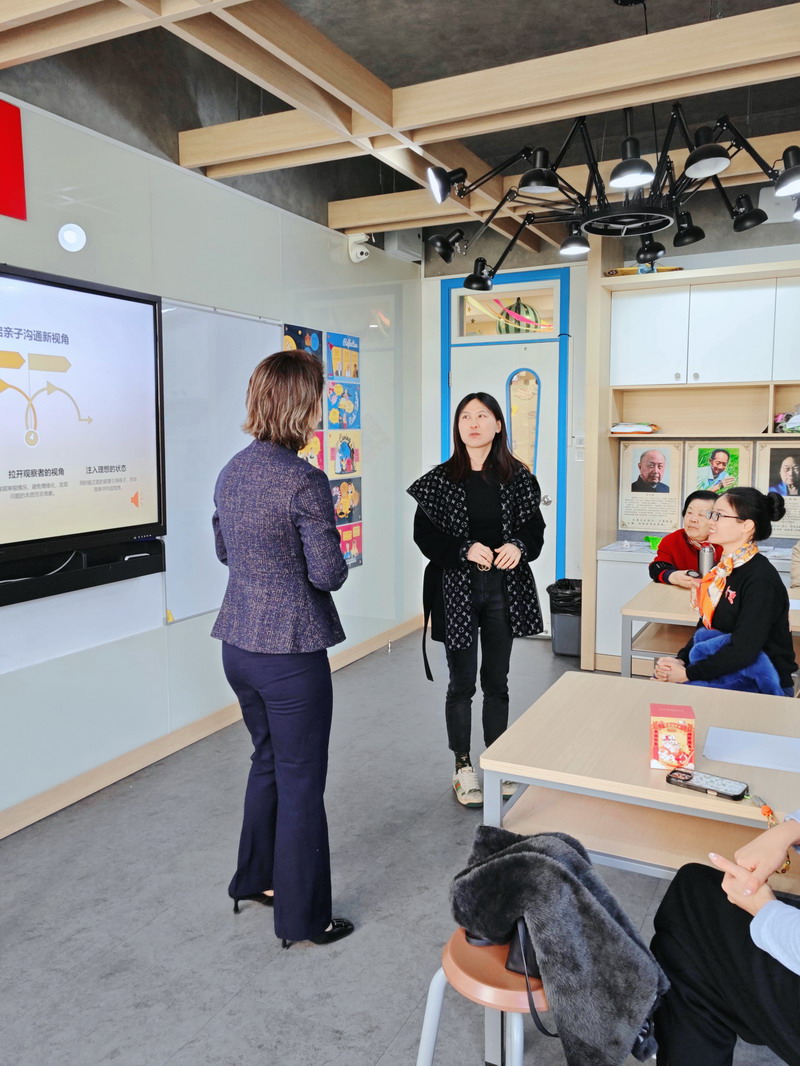
臨近期末,為協助學生與家庭調整身心狀態、營造溫馨支持的家庭氛圍,世外國際部近日特邀資深培訓師珺陽老師進校,開展題為“成為平靜的燈塔:期末狀態管理與情緒賦能”的家長體驗工作坊。活動通過認知重構、冥想體驗等實踐環節,為家長提供身心支持與教育賦能。
As the end of the semester approaches, to better support students and families in adjusting their emotional and mental state and to create a warm, harmonious, and supportive home environment, the WFLPS International Division invited senior trainer Junyang to conduct a parent workshop titled “Becoming the Calm Lighthouse: End-of-Semester State Management and Emotional Empowerment.” Through cognitive reframing, guided meditation, and other practical activities, the workshop offered parents practical strategies for family well-being and educational support.
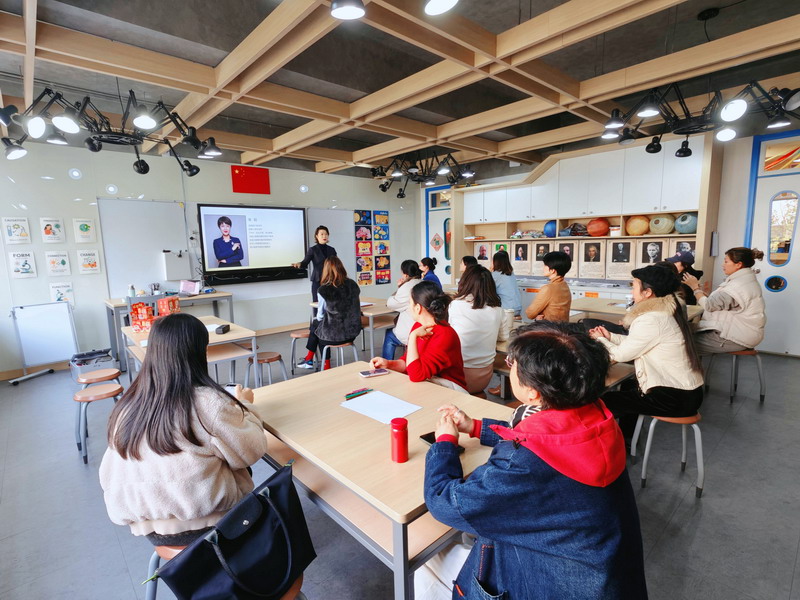
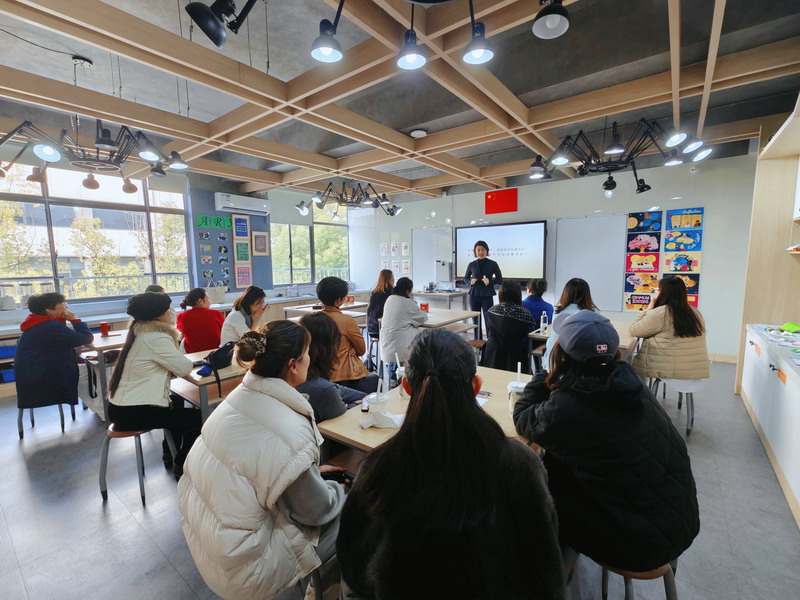
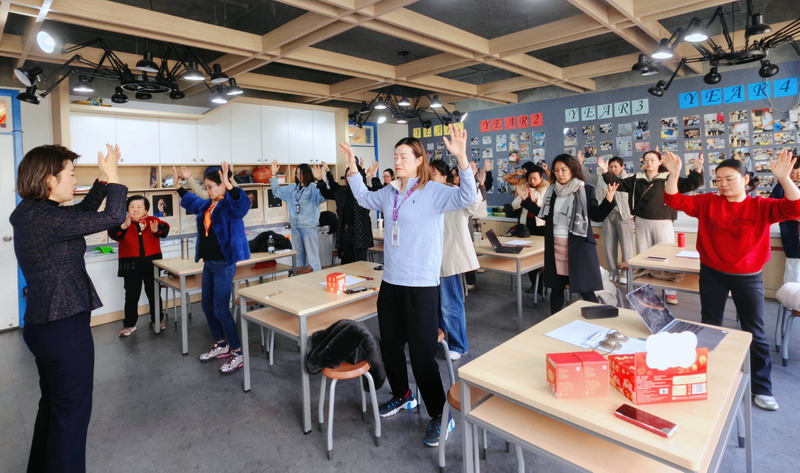
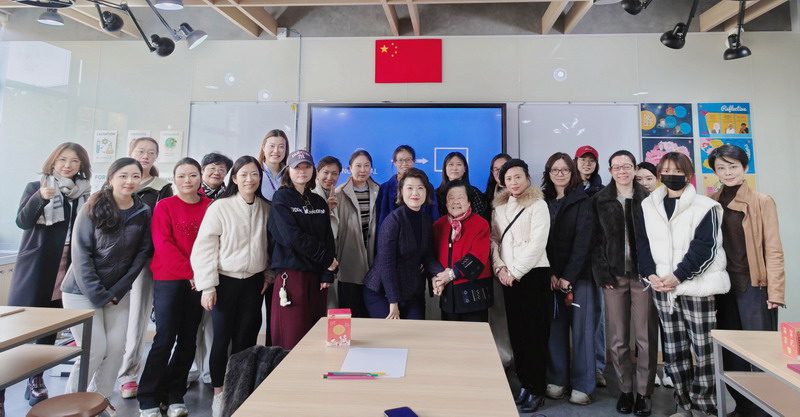
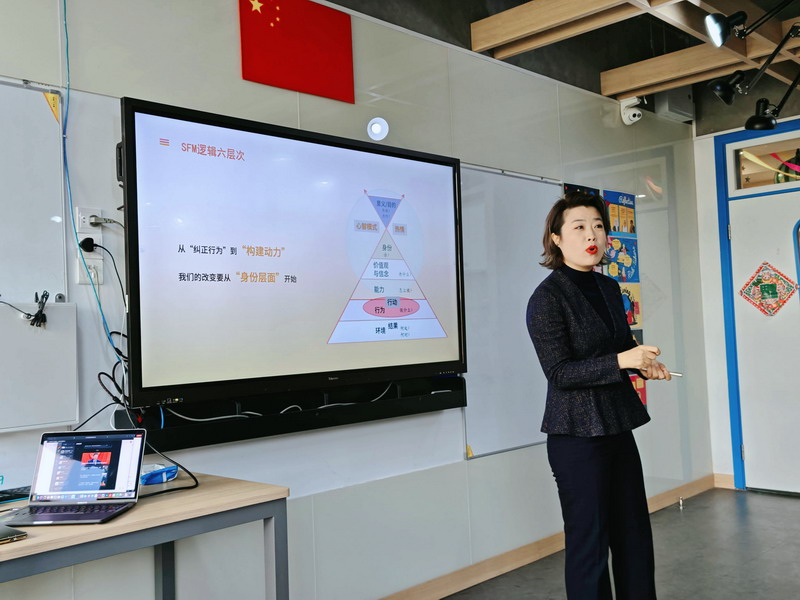
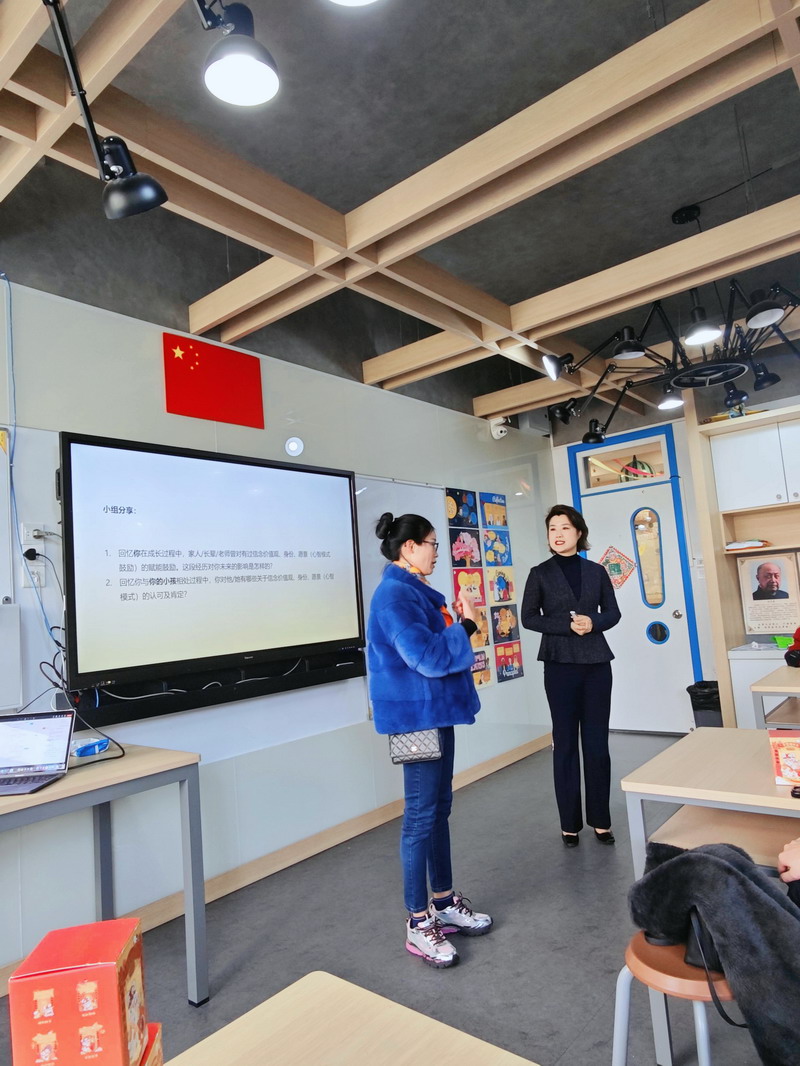
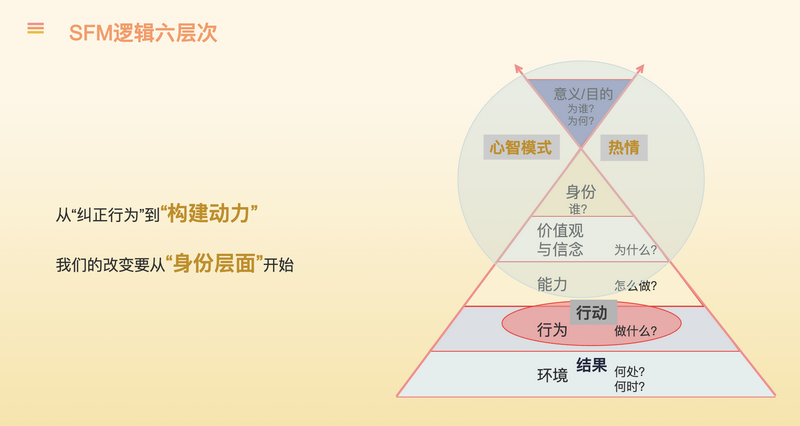
工作坊伊始,珺陽老師引導家長回顧童年中的“卓越瞬間”——是否曾因父母或老師的一句肯定,改變自我認知,甚至影響人生軌跡?結合NLP(神經語言程序學)中的“邏輯六層次”理論,老師闡釋了如何在“身份”層面運用積極語言,幫助孩子建立動力與自我認同,書寫屬于自己家庭的育兒“卓越宣言”。
At the beginning of the workshop, Junyang invited parents to reflect on their own “moments of excellence” from childhood—moments when a parent’s or teacher’s brief affirmation may have shifted their self-perception and even influenced the course of their life. Drawing on the “Logical Levels” model from Neuro-Linguistic Programming (NLP), she illustrated how positive language at the identity level can help children build motivation and self-recognition, and guided parents in crafting their own family “Declaration of Excellence.”
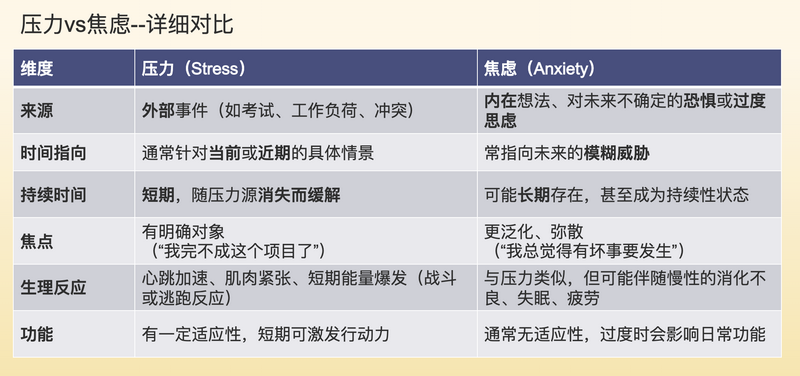
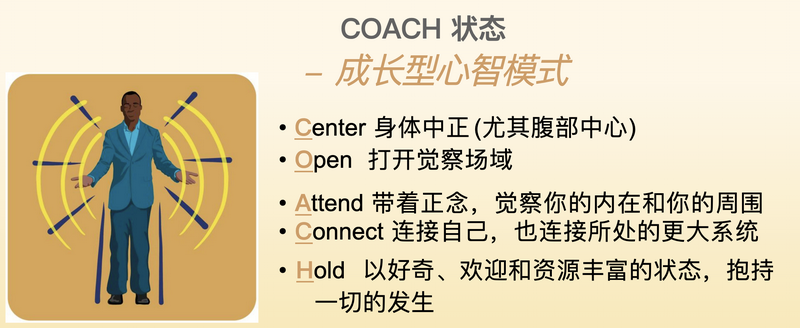
在情緒認知環節,珺陽老師解析了“情緒作為壓力信使”的角色,區分壓力與焦慮,并借助“鏡像神經元”原理,說明家長自身狀態如何深刻影響家庭能量場與孩子情緒。她鼓勵家長學習成為“家庭能量場的定海神針”,通過COACH狀態回歸內在平衡,提升情緒穩定性。
In the second part, the facilitator delved into the role of emotions as messengers of stress, distinguishing between pressure and anxiety. Using the principle of "mirror neurons," she explained how parents' mental and emotional states invisibly influence the family atmosphere and their children's emotions. Parents learned the importance of becoming the "anchor of the family's energy field" and returning to a centered state through the COACH model.
In the second part, the facilitator explained the role of emotions as messengers of stress, distinguishing between pressure and anxiety. Using the concept of mirror neurons, she highlighted how parents’ emotional and mental states deeply influence the family atmosphere and their children’s emotions. Parents learned the importance of becoming the “steady anchor of the family energy field”, using the COACH state to return to inner balance.
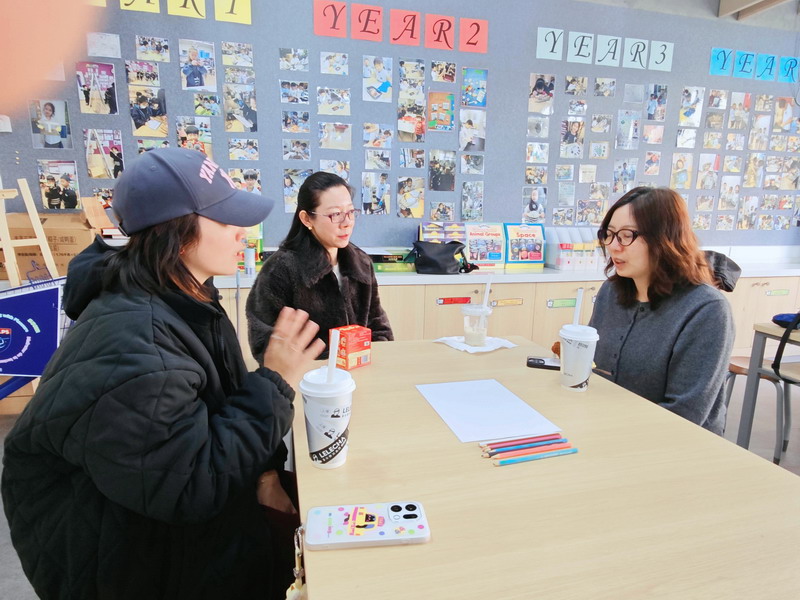
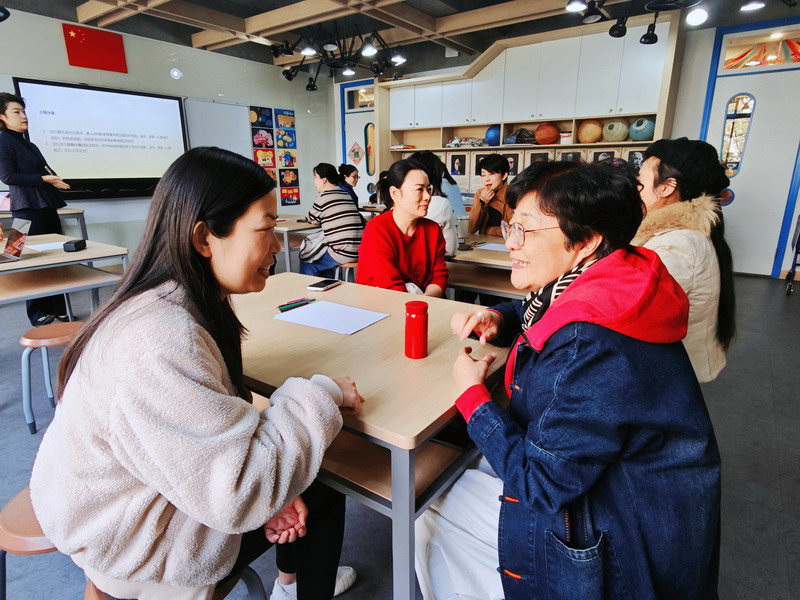
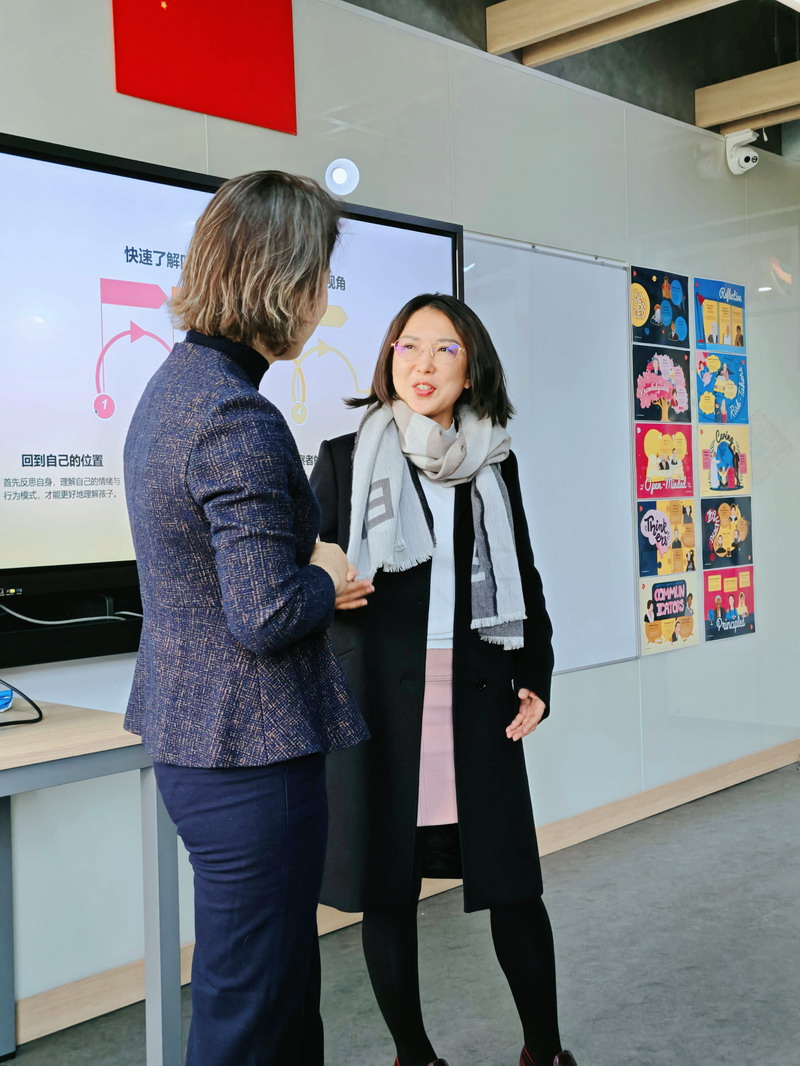
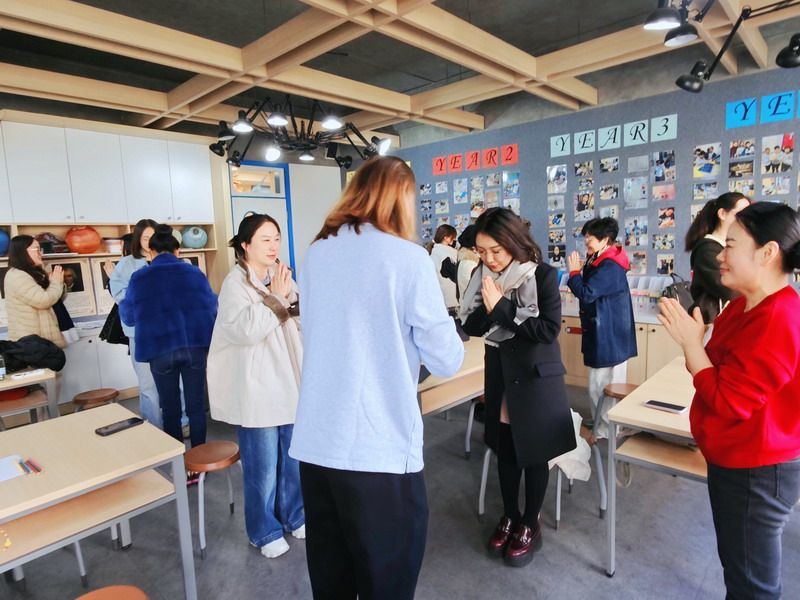
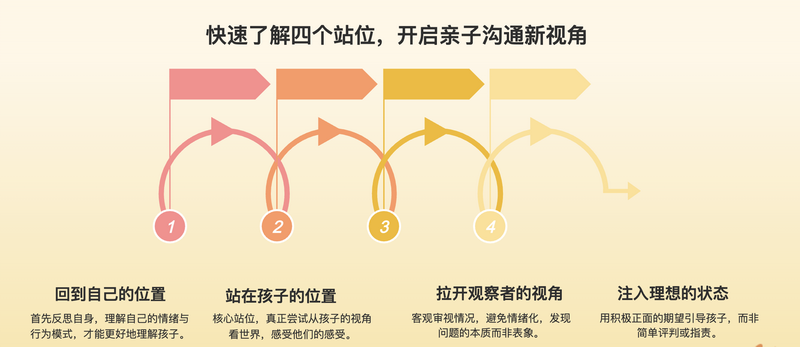
隨后的體驗環節,家長通過引導式冥想與角色站位練習,從不同視角感受孩子的情緒與需求,增強自我覺察與共情能力。練習后家長表示,這些練習幫助他們以全新角度理解孩子與自我,從而能在日常生活中更從容地踐行教育支持。
During the workshop, parents engaged in guided meditation and exercises, experiencing their children’s emotions and needs from multiple perspectives. These exercises enhanced parents’ self-awareness and empathy. Many parents shared afterward that these practices helped them better understand both their children's and their own emotions from a new perspective, enabling them to provide support more calmly and effectively in daily life.
工作坊最后,珺陽老師帶領家長學習“能量護盾”心理技巧,助力他們在面對生活瑣事與挑戰時,建立健康心理邊界,保持身心能量充沛。
To conclude the workshop, Junyang introduced the “Energy Shield” mindfulness technique, which helps parents establish healthy psychological boundaries and maintain mental and physical energy when faced with daily challenges and stressors.
正如家庭治療大師薩提亞女士所言:“家庭是一個動態的能量場,孩子是場中最敏感的能量接收者。”家長的身心狀態,直接關系家庭的氛圍與孩子的成長。世外國際部家委會將繼續攜手學校與家庭,深化家校共育,持續推進家長成長支持體系,共同守護每一位學生的身心健康與全面發展。
As renowned family therapist Virginia Satir once said, “The family is a dynamic energy field, and children are the most sensitive receivers within it.” Only when parents maintain a healthy mental and emotional state can they create a supportive family environment that nurtures well-rounded and emotionally healthy children. The WFLPS International Division PTA will continue to work closely with both the school and families, strenghten home–school collaboration, expand parent learning support systems, and work together to safeguard the holistic growth and healthy well-being of every student.